



Pick and Pack System for Efficient Order Fulfillment
The pick and pack system drives modern warehousing, logistics, and e-commerce operations. As order volumes continue to rise, businesses must act quickly to improve order fulfillment, inventory control, and supply chain efficiency.
At Automated Solutions Australia, we design and deliver advanced FANUC robotic pick and pack systems that transform warehouse performance. As a result, businesses achieve faster throughput, higher accuracy, and scalable logistics operations.
Introduction to the Pick and Pack System
What is a Pick and Pack System?
A pick and pack system enables warehouses to fulfil customer orders in a structured and efficient way. First, workers or robots pick items from inventory. Then, they pack those items for shipping.
Traditionally, staff complete this process manually. However, modern e-commerce operations and logistics networks now rely on automation to increase speed and reduce errors.
A standard workflow includes:
- Receiving customer orders
- Locating stock in inventory
- Picking items (manually or via robotics)
- Packing products securely
- Labelling and dispatching shipments
FANUC robotic systems now perform many of these tasks autonomously. At Automated Solutions Australia, we integrate these technologies to streamline fulfillment.
Importance of the Pick and Pack System in Supply Chain
The pick and pack system plays a vital role in supply chain performance. Specifically, it impacts delivery speed, accuracy, and overall customer satisfaction.
When businesses optimise this system, they:
- Speed up order fulfillment
- Improve inventory accuracy
- Reduce operational costs
- Enhance logistics efficiency
However, when companies rely on outdated manual processes, they often experience delays, errors, and increased returns.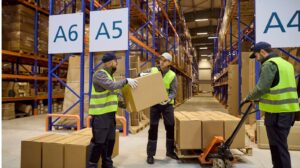
Therefore, businesses increasingly turn to automation. At Automated Solutions Australia, we implement robotic FANUC solutions that actively improve warehouse flow and eliminate inefficiencies.
Key Components of the Pick and Pack System
The Picking Process
The picking process begins when the warehouse receives a customer order. Next, the system identifies the required items and retrieves them from storage.
Common picking methods include:
- Piece picking for single orders
- Batch picking for multiple orders
- Zone picking across warehouse sections
- Automated robotic picking
FANUC robotic arms with vision systems now perform high-speed picking with exceptional accuracy. As a result, warehouses reduce picking errors and increase throughput.
At Automated Solutions Australia, we design robotic picking systems that actively improve speed while reducing human dependency.
The Packing Process
Once picking is complete, the packing process begins immediately. The system then groups items, selects packaging, and prepares them for shipping.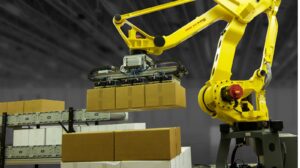
Packing includes:
- Sorting items per order
- Selecting packaging materials
- Securing items for transport
- Applying labels and tracking information
In addition, automation systems optimise packaging sizes to reduce waste and shipping costs.
When FANUC robotics support the process, packing becomes faster, more consistent, and significantly more efficient. Consequently, businesses improve delivery performance and customer satisfaction.
Benefits of Implementing a Pick and Pack System
Increased Efficiency and Speed
A modern pick and pack system dramatically improves operational speed. Specifically, automation allows warehouses to process orders continuously without delays.
For example:
- Robots operate 24/7 without fatigue
- Systems reduce bottlenecks
- Workflow becomes more predictable
Furthermore, FANUC robotic integration allows businesses to scale operations quickly during peak demand. At Automated Solutions Australia, we build systems that actively support high-volume fulfillment environments.
Improved Accuracy and Reduced Errors
Accuracy plays a critical role in logistics performance. However, manual processes often introduce errors such as incorrect items or mislabelled packages.
By contrast, robotic systems:
- Verify items using vision technology
- Scan barcodes automatically
- Confirm order accuracy in real time
As a result, businesses significantly reduce return rates and customer complaints.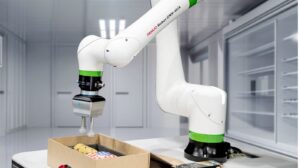
Moreover, Automated Solutions Australia integrates FANUC robotics to ensure every order is processed with precision and consistency.
Technological Integration in Pick and Pack Systems
Warehouse Management Systems (WMS)
A Warehouse Management System (WMS) coordinates every stage of the pick and pack process. It actively tracks inventory, assigns tasks, and manages order flow.
Specifically, WMS platforms:
- Monitor stock levels in real time
- Optimise picking routes
- Assign robotic tasks
- Schedule shipments efficiently
Furthermore, when integrated with robotics, WMS systems communicate directly with FANUC automation platforms. Consequently, warehouses operate with seamless coordination and minimal downtime.
Automation and Robotics in Picking and Packing
Automation now transforms modern warehousing. In particular, robotic pick and pack systems improve speed, safety, and scalability.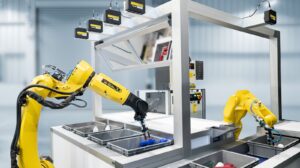
Today’s solutions include:
- FANUC robotic arms
- Automated conveyors
- AI-driven vision systems
- Autonomous transport systems
At Automated Solutions Australia, we specialise in integrating FANUC robotics into warehouse environments. As a result, businesses reduce labour costs while increasing operational output.
In addition, robotic systems enhance workplace safety by reducing manual handling tasks.
Challenges in Using a Pick and Pack System
Managing Inventory Levels
Inventory control remains one of the biggest challenges in warehousing. For instance, inaccurate stock data can disrupt fulfillment and delay shipments.
Common issues include:
- Stock discrepancies
- Supply chain delays
- Demand fluctuations
However, automation significantly reduces these risks. When integrated correctly, robotic systems update inventory in real time and maintain accurate stock visibility.
Training Staff for Efficiency
Even in automated environments, skilled staff remain essential. Therefore, businesses must train employees to manage and support robotic systems.
Challenges include: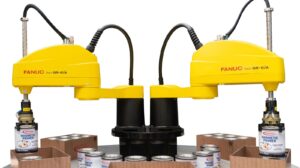
- Learning new technologies
- Managing hybrid workflows
- Maintaining system efficiency
At Automated Solutions Australia, we provide full integration support. In addition, we ensure teams understand how to operate FANUC robotic systems effectively and safely.
Best Practices for a Successful Pick and Pack System
To achieve optimal performance, businesses should follow these best practices:
- Integrate FANUC robotics for scalable automation
- Implement real-time WMS tracking
- Optimise warehouse layout for efficient picking
- Automate repetitive tasks wherever possible
- Use barcode and vision systems for accuracy
- Monitor performance data continuously
- Train staff for hybrid automation environments
Furthermore, businesses that combine these strategies achieve higher efficiency, lower costs, and improved logistics performance.
At Automated Solutions Australia, we design systems that actively support these best practices across manufacturing and logistics industries.
FANUC Robots for Australian Warehousing 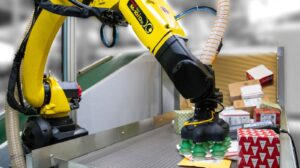
The pick and pack system forms the foundation of modern warehouse and logistics operations. As demand for faster and more accurate fulfillment increases, businesses must adapt quickly.
Therefore, automation becomes essential.
By integrating FANUC robotic systems, Automated Solutions Australia helps businesses:
- Improve order fulfillment speed
- Increase picking and packing accuracy
- Reduce operational costs
- Scale warehouse operations efficiently
- Strengthen supply chain performance
Ultimately, automated pick and pack systems redefine how warehouses operate. As a result, businesses gain a long-term competitive advantage in the evolving logistics landscape.
