


Understanding Robots and Machines
Robots and Machines: What is a Machine?
To begin with, machines are devices that perform specific tasks or functions. They range from simple to complex and can be mechanical, electrical, or electronic. Machines make work easier, faster, and more efficient for humans and can use various energy sources such as electricity, steam, or water. For instance, here are some examples of machines:
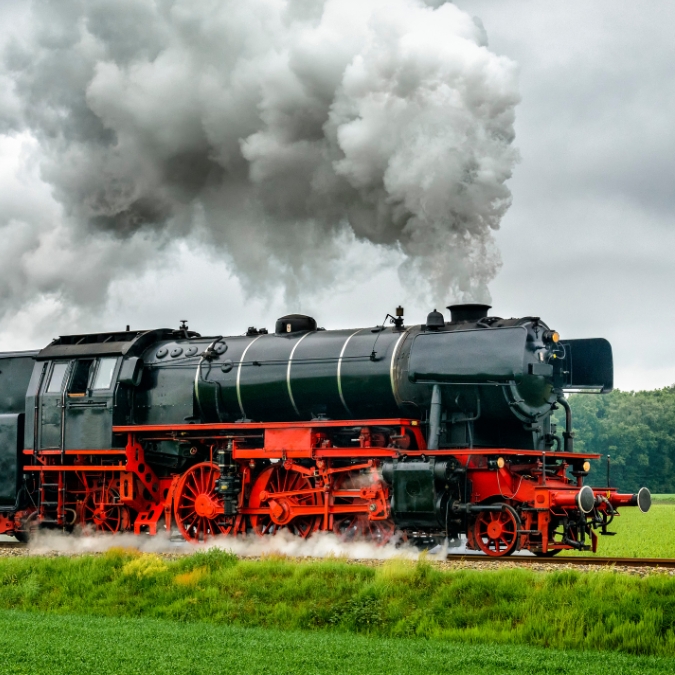
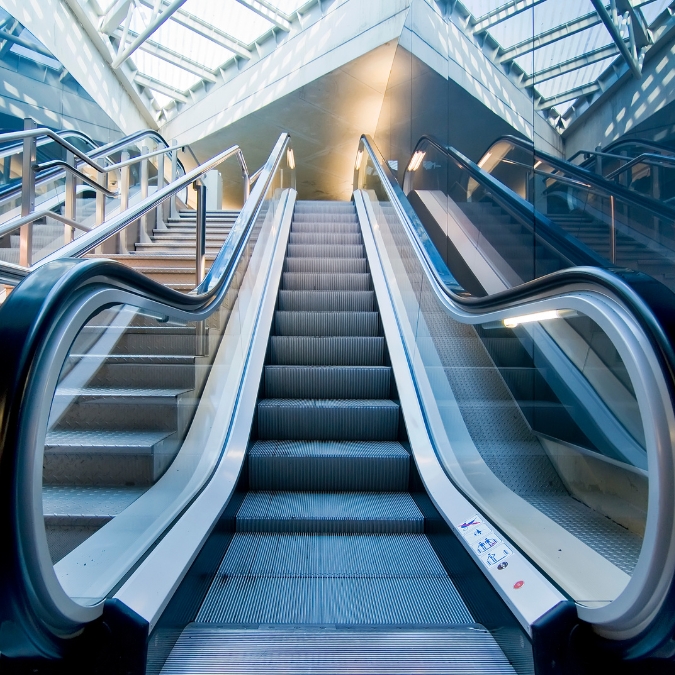
Scissors, pliers, hammer, can opener, bottle opener, screwdriver, door-knob, hinges, forks, wheels, automobiles, trains, elevators, and escalators.
Moreover, you can control machines manually or automatically, and they repeatedly perform specific tasks (for example, a hammer hits nails repeatedly).
Robots and Machines: What is a Robot?
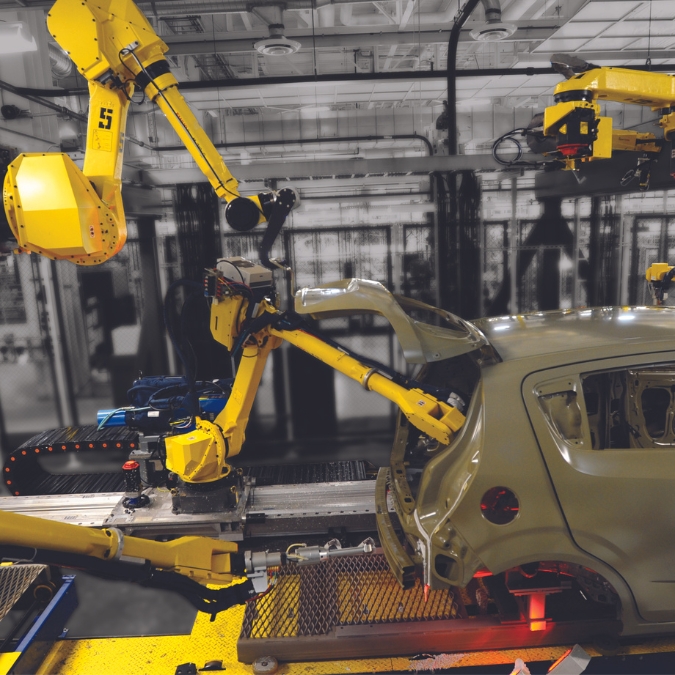
Industrial Robots: Used in manufacturing and production facilities, industrial robots perform repetitive tasks such as welding, painting, or assembling with speed, accuracy, and reliability.
Service Robots: Designed to interact with humans and provide services, service robots perform tasks like cleaning, cooking, or assisting people with disabilities. They are increasingly popular in healthcare, hospitality, and domestic settings.
Robots and Machines: The Key Differences Outlined
Now that we’ve established the basics of machines and robots, let’s dive into the key differences between them.
Autonomous Operation: First and foremost, machines operate manually or automatically but require human intervention. In contrast, robots operate independently and perform tasks without human intervention. More recent times however, have seen the emergence of the cobot. These are robots specifically made to work in collaboration with humans.
Complexity: Furthermore, machines typically perform specific tasks, whether simple or complex. Robots, however, are designed to handle more complex tasks such as inspection, assembly, surveillance, machine tending and many more without any need for human intervention.
Intelligence: Additionally, machines generally follow pre-programmed instructions and cannot learn or adapt to new situations. Robots, on the other hand, can learn, be re-programmed and adapt.
Mobility: Machines are usually stationary or have limited mobility. For example, a washing machine stays in one place, while a car moves on land. Conversely, robots can move in various directions and environments, like a space exploration robot moving on the moon, asteroids, or other planets.
Robots VS Machines
In conclusion, the main difference between robots and machines lies in autonomy. Machines require human intervention, while robots can operate independently. Robots are more complex, intelligent, mobile, and interactive than machines. Both play an important role in today’s world, where automation is increasingly prevalent.
Automated Solutions Australia (ASA): Your Expert in Robotic Automation
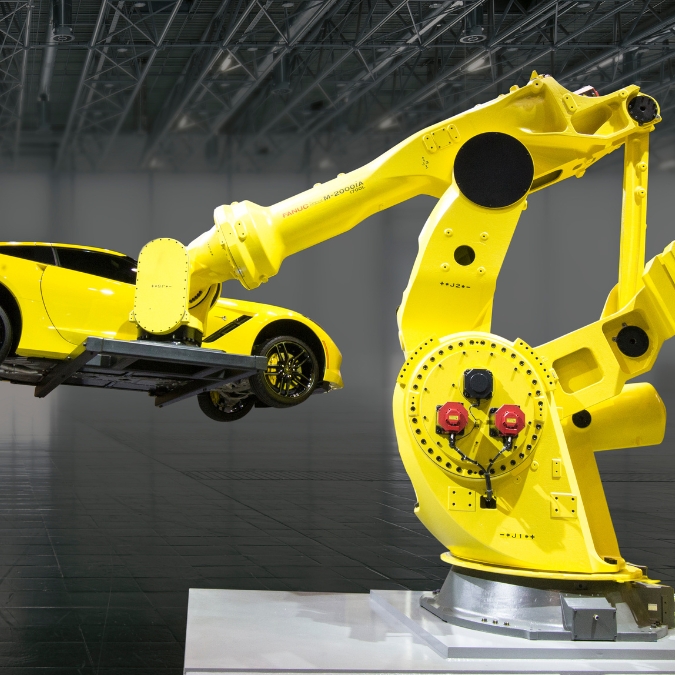
At ASA, we have been integrating FANUC industrial robots for over 20 years. We specialise in deploying advanced robotic systems across various industries, including automotive, aerospace, manufacturing, and more. Our expertise ensures that businesses can leverage the full potential of robotic automation in order to enhance productivity, precision, and efficiency.
If you’re looking to explore the capabilities of robots and how they can transform your operations, contact ASA today. With global expertise, we are your trusted partner for robotic automation solutions throughout Australia and New Zealand.
Send ASA an Enquiry:
Click an Application to Explore Further:
FANUC Robots Australia | Paint Robots for Surface Finishing | Welding Robots by FANUC | Machine Tool Tending Robots | Fibreglass and Gelcoat Robots | Palletising Robots | Robotic Vision Inspection Systems | Plastics Painting | Deburring and Polishing | Sealing and Dispensing | Picking and Packaging | Material Removal Robots | Shot Blasting and Peening |
More (Recent) News Stories from Automation Solutions Australia:
ARC Welding | Automated Paint | Robotics | Robotic Arm | Automatic Engineering | Engineering Automation | Robot Definition | FANUC Robots | Industrial Robots | Robotics Australia | Industrial Engineering |