


Robotic Machine Tending
Robotic machine tending is changing the way manufacturers load, unload and move parts around CNC machinery. Instead of having an operator repeat the same loading and unloading tasks throughout the day, a robot can handle the process with speed and consistency.
At Automated Solutions Australia (ASA), we design and integrate robotic machine tending systems for manufacturers looking to improve production without compromising quality. Our team can integrate FANUC robots with CNC machines and other production equipment to create a reliable, automated workflow.
Whether you need to automate one machine or build a larger production cell, robotic machine tending can help make your operation more productive, consistent and flexible.
What Is Robotic Machine Tending?
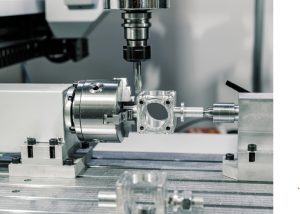
Robotic machine tending uses an industrial robot to load and unload components from a CNC machine.
The robot takes a component from a defined location, loads it into the machine and waits while the machining process takes place. Once the cycle is complete, the robot removes the finished component and places it in the correct location.
From there, the process starts again.
This might sound simple, but a well-designed system involves much more than the robot itself. The robot needs to communicate with the CNC machine, position components accurately and respond to the production cycle.
That’s where robotic system integration becomes important.
ASA designs the complete automation solution around the manufacturing process. This includes the robot, tooling, machine interfaces, safety systems and programming required to make the cell work as one system.

How Does Robotic Machine Tending Work?
A typical robotic machine tending system follows a repeatable sequence.
First, components are presented to the robot in a known position. The robot uses its programmed movements and tooling to pick up the component.
It then moves the component into the CNC machine and places it accurately in the required position. Once the machine confirms that the component is ready, the machining cycle begins.
When machining is complete, the robot removes the finished component. It can then place it onto an output conveyor, rack, pallet or another designated area.
The robot can also perform additional tasks between cycles. For example, a system may include part inspection, component orientation, machine cleaning or transferring parts between multiple machines.
As a result, robotic machine tending can become much more than simply loading a CNC.
Why Use Robots for Machine Tending?
Machine tending is often repetitive. Operators may spend hours loading raw components, removing finished parts and repeating the same movements.
A machine tending robot can take over these repetitive tasks while operators focus on work that requires greater judgement and skill.
There are several reasons manufacturers choose robotic machine tending.
Improve production consistency
Robots perform programmed movements consistently. They can handle the same task repeatedly without the variation that can come from manual handling.
That consistency can be particularly useful when production involves large quantities of similar components.
Keep machines productive
A CNC machine can only produce parts when it is running. If an operator is also responsible for other tasks, the machine may spend time waiting for a component to be loaded or a finished part to be removed.
Automation helps reduce this downtime. In fact, with robotic tending of your CNC machine, you can achieve 24/7 lights out manufacturing!
A well-designed system can keep the machine supplied with components and remove finished parts efficiently.
Reduce repetitive manual work
Loading and unloading machinery can involve repetitive movements throughout a shift. Automating these tasks can reduce the amount of manual handling required from operators.
This can also allow your existing workforce to focus on machine setup, quality control, programming and other higher-value activities.
Increase flexibility
Modern robotic machine tending systems can be designed around different component sizes, production volumes and machine configurations.
With the right tooling and programming, one robot can potentially handle multiple parts or machines.
That makes automation particularly useful for manufacturers who need to balance repeat production with changing production requirements.

FANUC Robots for Machine Tending
FANUC robots are widely used across manufacturing because they offer a broad range of robot models, payload capacities and configurations.
For machine tending applications, the right robot depends on the component, machine layout, payload and required reach.
ASA has experience integrating FANUC industrial robots into automated manufacturing systems. Rather than treating the robot as a standalone piece of equipment, we look at the entire production process.
That means considering how parts enter the cell, how they are presented to the robot, how the robot interacts with the CNC and where finished components go next.
The result is a system designed around the application, rather than a robot simply added to an existing process.
CNC Machine Tending Automation
CNC machines are a natural fit for robotic machine tending.
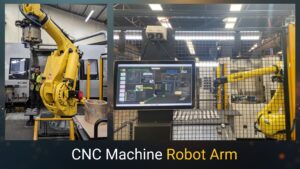
A robot can load raw material into a CNC lathe, machining centre or other machine tool. Once the cycle is complete, it can remove the finished component and prepare the machine for the next cycle.
Depending on the application, the system may also include multiple CNC machines.
For example, one FANUC robot could transfer components between two or more machines within a single automated cell. This can reduce manual handling and make better use of available floor space.
The exact design depends on your production requirements.
ASA can assess the process and determine how robotic automation could fit into the existing manufacturing environment.

What Can a Machine Tending Robot Do?
A machine tending robot can perform a range of tasks depending on how the system is designed.
These can include:
- Loading raw components into CNC machines
- Removing finished components
- Transferring components between machines
- Handling different component types
- Presenting components in a consistent orientation
- Moving parts to conveyors, racks or pallets
- Performing machine-to-machine transfers
- Supporting automated inspection processes
- Handling repetitive material movements
- Preparing machines for the next production cycle
Additional equipment can also be integrated into the cell.
For example, a machine tending system might use custom grippers, conveyors, part feeders, sensors or vision systems. These components work together to create a complete automated process.
Designing a Robotic Machine Tending System
Every manufacturing operation is different. That’s why there isn’t one machine tending system that works for every application.
The robot needs to match the payload and reach requirements. The tooling needs to safely grip the components. The CNC interface needs to communicate correctly with the robot. The cell also needs appropriate guarding and safety systems.
Layout matters too.
ASA considers the complete working environment when designing a robotic machine tending solution. We look at machine access, robot reach, component flow, operator interaction and future production requirements.
This approach helps create a system that works in the real world, not just on paper.
It can also make future expansion easier.
Is Robotic Machine Tending Right for Your Business?
Robotic machine tending can be particularly valuable where production involves repetitive loading and unloading, consistent component handling and regular machine cycles.
However, automation does not need to be limited to high-volume production.
Advances in robotic technology mean manufacturers can also explore automation for applications where product variation or batch sizes previously made automation difficult.
The important question is not simply whether a robot can perform the task.
It is whether automation can improve the overall production process.
That is why an assessment of the existing workflow is an important first step.
Why Choose Automated Solutions Australia?
At ASA, we design and integrate complete automation systems around the needs of your manufacturing operation.
Our team can work with FANUC robots, CNC machinery and other industrial equipment to develop a robotic machine tending solution that fits your process.
From the initial concept through to system design, programming, integration and commissioning, we focus on creating practical automation that delivers genuine value.
Every application starts with understanding the process.
What are you producing? How often does the machine run? What parts are being handled? Where are the current bottlenecks? What does the operator need to do? And what could be automated?
Once those questions are answered, we can develop a solution around the actual requirements of your business.
Take the Next Step Towards Automated Machine Tending
Robotic machine tending can help manufacturers improve consistency, reduce repetitive handling and keep CNC equipment productive.
More importantly, the right system can become a valuable part of a broader automation strategy.
Whether you’re considering your first machine tending robot or looking to expand an existing automated production line, ASA can help you assess the opportunity and develop a practical solution.
With experience in FANUC robotic integration and industrial automation, our team can design a system around your machines, components and production goals.
Talk to Automated Solutions Australia about robotic machine tending and discover what could be automated in your manufacturing process.
Frequently Asked Questions About Robotic Machine Tending
What is robotic machine tending?
Robotic machine tending is the use of an industrial robot to load and unload components from machinery, commonly CNC machines. The robot can repeatedly handle these tasks as part of an automated production cycle.
Can FANUC robots be used for machine tending?
Yes. FANUC offers a wide range of industrial robots suitable for machine tending applications. The appropriate model depends on factors such as payload, reach, component size and the layout of the production cell.
Can one robot tend multiple CNC machines?
Yes. Depending on the layout, cycle times and robot specifications, one robot can potentially service multiple machines. A detailed assessment is needed to determine whether this approach is suitable for a particular application.
What are the benefits of CNC machine tending automation?
CNC machine tending automation can improve consistency, reduce repetitive manual handling and help keep machines productive. It can also allow operators to spend more time on skilled tasks such as setup, quality control and process management.
Does ASA design complete robotic machine tending systems?
Yes. ASA provides robotic system integration and can develop complete automation solutions around FANUC robots, CNC machines and other production equipment.
How do I know if my process is suitable for robotic machine tending?
The best place to start is with an assessment of the current process. Factors such as production volume, component type, machine cycle time, operator tasks and available floor space can all help determine whether automation is a good fit.
